


Model
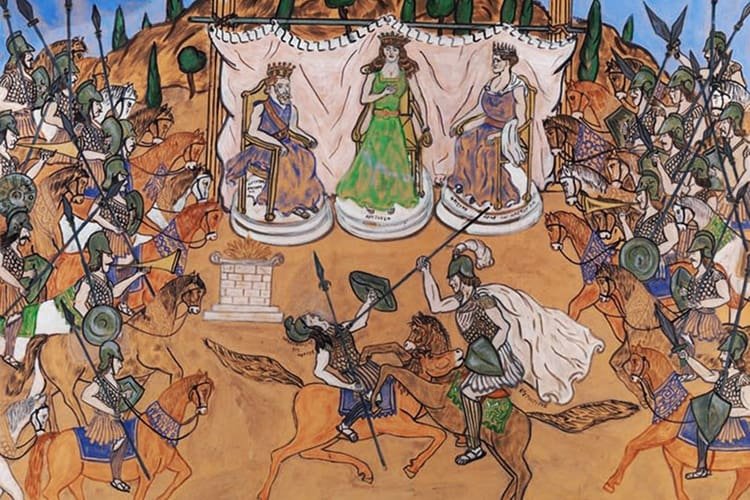
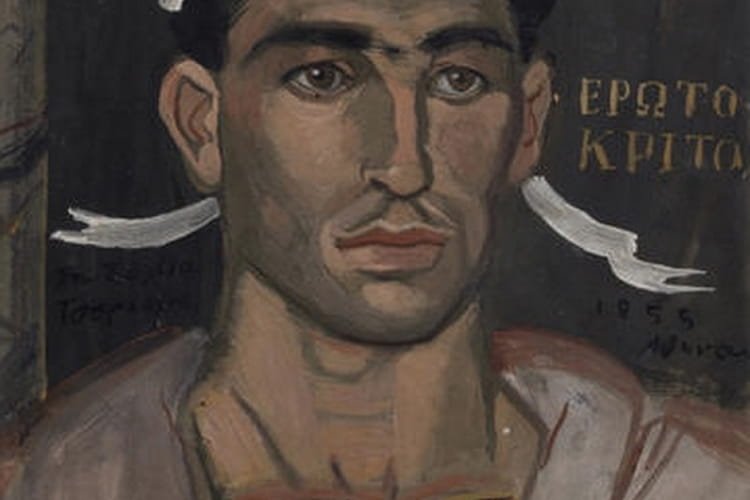
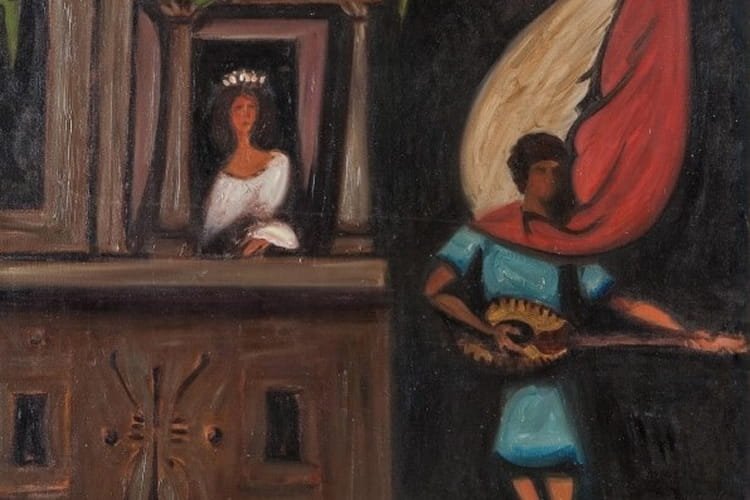
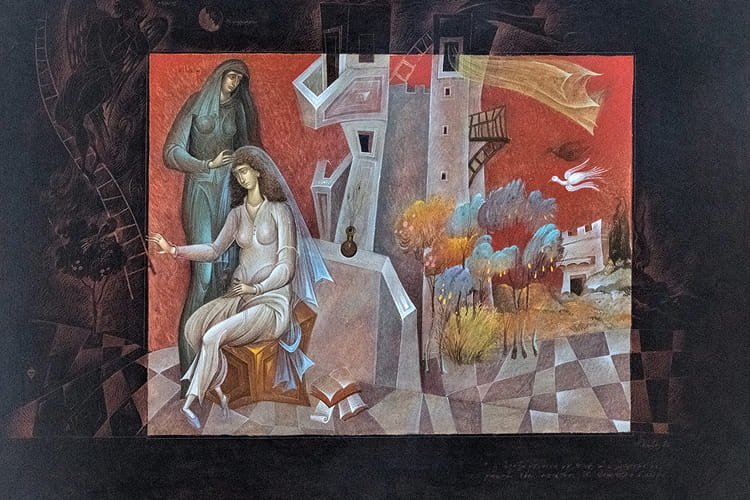
Cretan literature at its peak was influenced by the Italian Renaissance, which is why works from this period are usually based on a Western model, which poets nevertheless approached in a creative and often original way.
Scholars of Erotokritos have long held differing opinions regarding its sources and models. Some have associated it with folk songs and fairy tales, others with medieval and Renaissance Italian texts, popular late Byzantine novels, and ancient classical works that reached Venetian-ruled Crete through Italian translations. St. Xanthoudides positioned himself between the two theories, characterizing the work as a personal creation that combines “elements from multiple smaller sources.”
However, prior to these observations, the scholar and professor at the Ionian Academy, Christoforos Filitas, had linked Erotokritos with Pierre de la Cypède’s French novel Paris et Vienne. Unfortunately, his notebooks with his notes were never published, but they are now kept in the Library of the Hellenic Parliament. In 1935, the Romanian N. Cartojan published his view that Erotokritos is linked to the French novel Paris et Vienne and its Italian translations. The French work was printed in 1487 and by the end of the 16th century had been translated into eleven languages. Of the thirteen adaptations in Italian, only three were printed: one in prose and two in verse, which, together with a Latin adaptation from 1516, constitute the body of texts studied in terms of their influence on Erotokritos.
A common theme throughout the research is the finding that Kornaros approached his model with a refreshing and creative spirit. He boldly mixes literary genres by introducing dialogue, defining five acts, and enhancing the theatricality of the work. He simplifies the plot and removes extraneous episodes. He weaves the characters and emotions of the heroes with unique depth, detail, and perfection. He removes the Christian element and adopts a more philosophical approach to the world. He offers rational explanations for natural phenomena and uses clear and lively language. Above all, however, through anachronisms and mixed literary themes, he creates an idealized mythical poetic world based on medieval tradition on the one hand and embodying the freshness and boldness of the Renaissance on the other.